
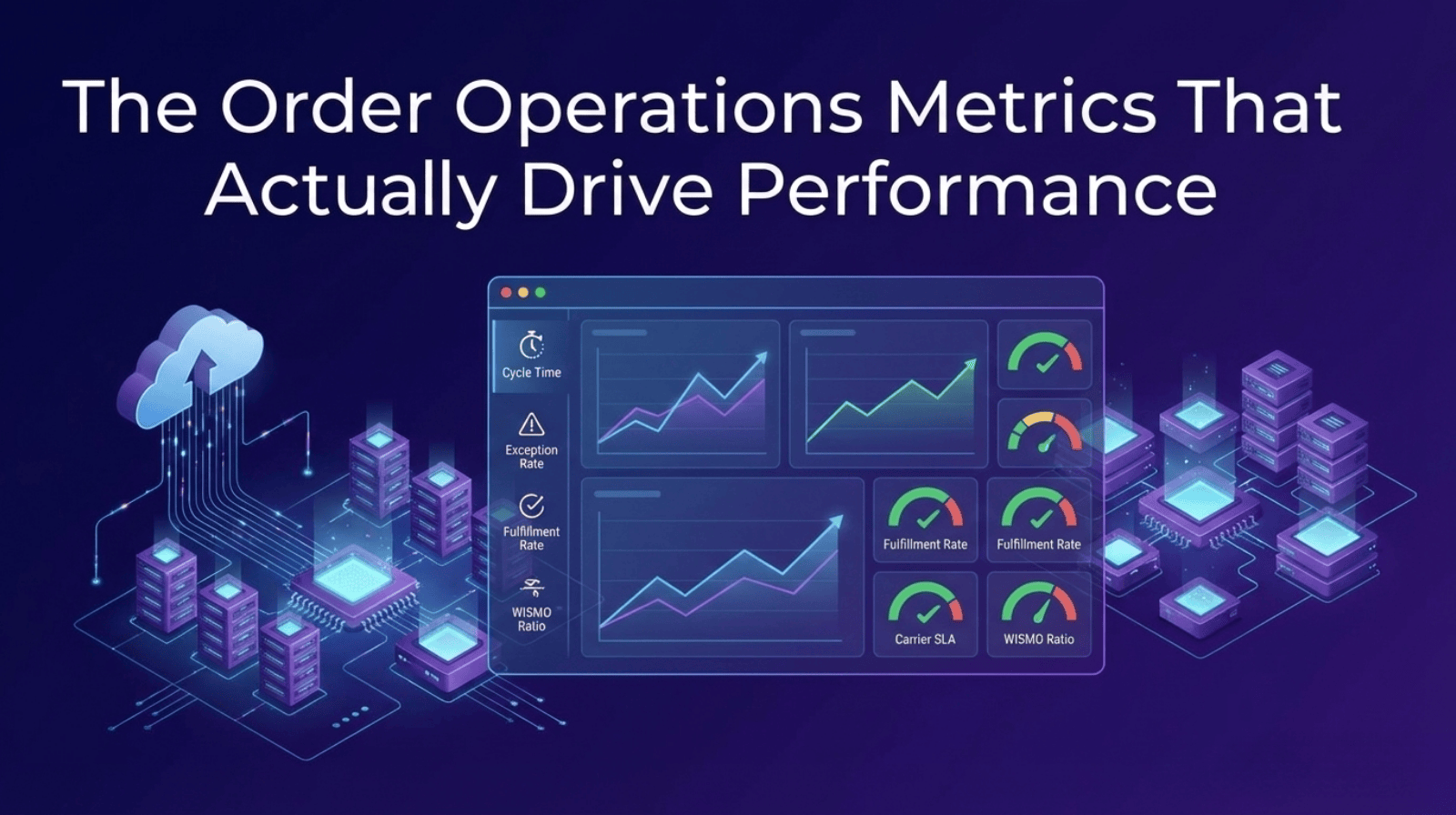

Most teams track dozens of numbers every day, yet very few of those numbers help them improve the way orders actually move through their system. The truth is that order operations metrics can either clarify your workflow or overwhelm it. When the wrong data is given too much weight, teams spend more time reporting than improving. When the right metrics are monitored consistently, they reveal bottlenecks early and guide decisions that make fulfillment smoother, faster, and more predictable.
Understanding which metrics matter — and which don’t — is the starting point for building an operation that can scale without stress.
Why Order Operations Metrics Matter More Than Volume
Many businesses assume that higher order volume creates operational friction. In reality, friction comes from the parts of the workflow teams can’t see clearly. Metrics provide that clarity. They show where time is lost, where decisions stall, and where exceptions accumulate. As a result, operations leaders can act with confidence instead of reacting to symptoms.
When tracked consistently, the right order operations metrics shift a team from firefighting to foresight. They turn daily activity into a predictable system.
The First Metric: Order Cycle Time
Order cycle time — the time between order placement and order dispatch — is one of the strongest indicators of operational health. A rising cycle time often signals hidden blockers: manual steps, slow routing, unclear ownership, or delayed stock checks.
Shorter cycle time means two things: higher customer satisfaction and less internal chaos. When this metric improves, the entire workflow tends to improve with it.
The Second Metric: Exception Rate Across the Workflow
Exceptions are the true source of operational slowdown. Address issues, payment discrepancies, split shipments, and inventory mismatches increase workload and interrupt flow. Tracking the exception rate helps teams understand where orders deviate and why.
Reducing exceptions doesn’t require perfection. It requires visibility. Once exceptions are detected earlier in the workflow, teams can prevent them from turning into delays.
The Third Metric: First Attempt Fulfillment Rate
This metric shows how many orders move through the workflow smoothly on the first try. A high rate means routing rules are clear, data is consistent, and tasks are well-distributed. A low rate usually indicates poor data quality, inconsistent processes, or heavy manual intervention.
Improving first attempt fulfillment rate is one of the fastest ways to increase operational efficiency without increasing headcount.
The Fourth Metric: Carrier SLA Accuracy
Carrier performance often influences customer perception more than any other operational step. Monitoring SLA accuracy helps businesses understand whether delays originate internally or externally. It also informs better routing logic and improves fulfillment planning during peak periods.
When this metric is tracked consistently, teams make smarter shipping decisions and avoid unnecessary customer escalations.
The Fifth Metric: WISMO Ratio (“Where Is My Order?” Requests)
Support teams often feel the impact of operational issues before anyone else. A high WISMO ratio is a clear sign that customers don’t trust the communication around their delivery. This metric connects operations and support, showing how tracking visibility, proactive updates, and predictable timelines influence customer experience.
Lower WISMO ratios almost always follow improvements in workflow visibility.
Bringing Metrics Together for Better Decision-Making
Each metric provides value on its own, but their real strength appears when they are viewed together. Cycle time influences customer satisfaction. Exception rate affects cycle time. First attempt fulfillment shows how well routing rules work. Carrier SLA accuracy influences delivery reliability. WISMO ratios reflect communication gaps.
When these order operations metrics are monitored as a system, teams gain a holistic view of their workflow. They can prioritize improvements based on impact rather than assumptions.
How Mailorder Supports Metrics
Mailorder was built around a simple belief: operations improve when teams can see what is happening in real time. By centralizing order data, surfacing exceptions early, and providing a unified operational view, Mailorder helps teams track the metrics that matter most — without adding complexity or demanding new processes.
Metrics don’t improve workflows on their own. They guide teams toward better decisions. Mailorder makes those decisions easier to identify and act on.
Want to Strengthen Your Operational Metrics?
If you want to understand how your current order flow performs — or how to track it more effectively:
Clarity turns operations from reactive to resilient. The right metrics make that clarity possible.